
In the evolving landscape of healthcare, the shift toward consumer-centric care is no longer a luxury; it is a financial necessity. As High-Deductible Health Plans (HDHPs) become the norm, patients are responsible for a larger portion of their medical bills than ever before. For healthcare providers, this shift has created a significant challenge: collecting payments directly from individuals is far more complex than billing insurance payers.
Traditional paper-based invoicing and check-in-the-mail systems are failing to keep pace. To maintain a healthy cash flow, medical practices must adopt digital payment solutions. By integrating modern financial technology in healthcare, providers can bridge the gap between care delivery and revenue realization.
With this resource, Credence Team helps you understand how digital payment options improve patient collections.
Reasons how digital payment options improve patient collections are:
- The Friction of Traditional Billing: Why Manual Systems Fail
- Speeding Up the Revenue Cycle with Instant Digital Invoicing
- Increasing Accessibility via Mobile Wallets and Online Portals
- Reducing Bad Debt through Flexible Payment Plans
- Enhancing Financial Transparency and Patient Trust
- Security and Compliance: Protecting Patient Data
- Streamlining Back-Office Operations
Let’s learn about these factors in detail!
1. The Friction of Traditional Billing: Why Manual Systems Fail
For decades, the standard billing cycle involved mailing a paper statement, waiting for the patient to open it, and hoping they would mail back a check or call the office with a credit card number. In today’s fast-paced digital economy, this process is fraught with friction.
Manual systems lead to:
- High Administrative Costs: Printing, postage, and the labor required to manage paper trails eat into profit margins.
- Delayed Collections: Days Sales Outstanding (DSO) remains high when patients have to take physical steps to pay.
- Patient Dissatisfaction: Modern consumers expect the same ease of payment from their doctor that they get from Amazon or Uber.
2. Speeding Up the Revenue Cycle with Instant Digital Invoicing
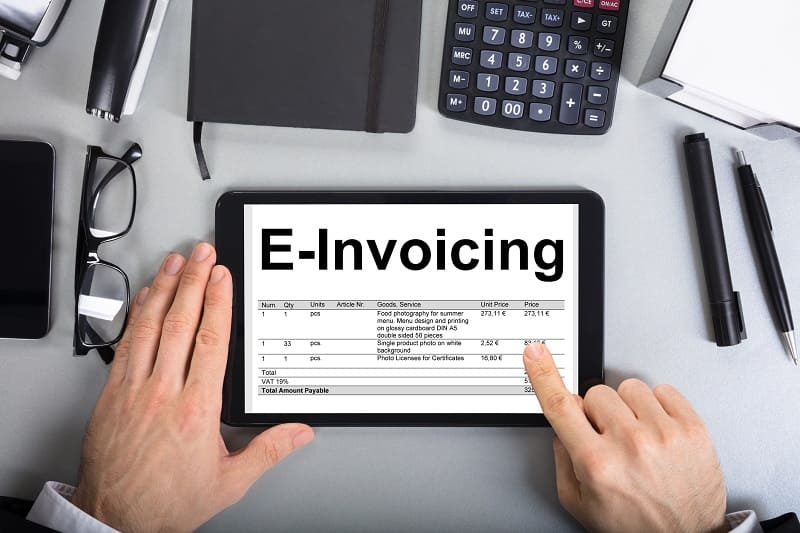
Digital payment options, such as text-to-pay and email invoicing, drastically shorten the time between the patient encounter and the deposit of funds. When a patient receives a secure link on their smartphone immediately after an appointment, the likelihood of immediate payment increases exponentially.
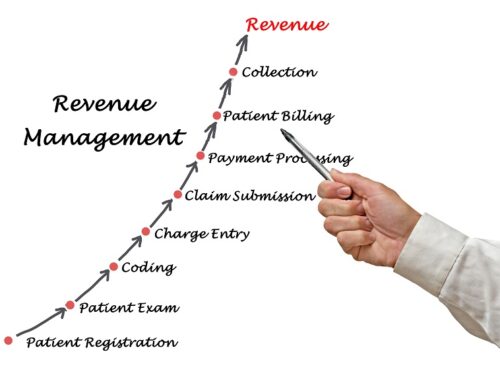
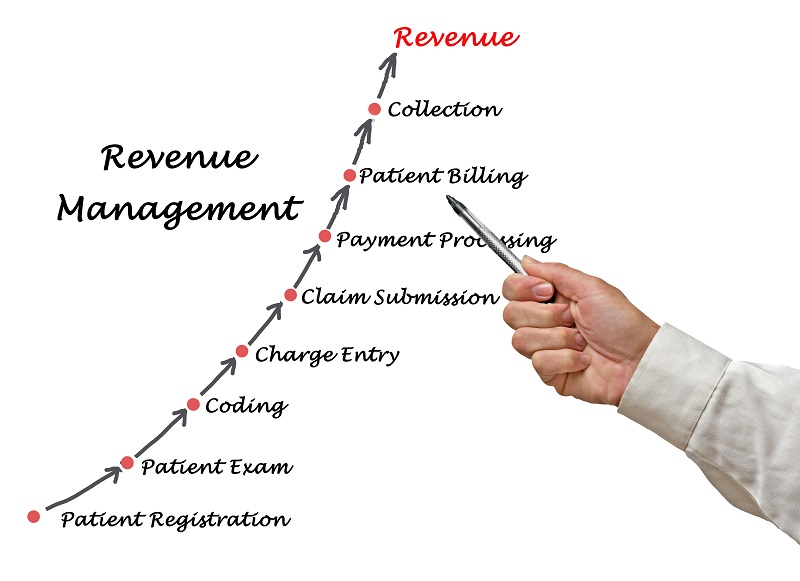
By removing the “out of sight, out of mind” barrier of paper mail, healthcare facilities can capture payments while the value of the service is still fresh in the patient’s mind. This real-time engagement is the cornerstone of a modern Revenue Cycle Management (RCM) strategy.
3. Increasing Accessibility via Mobile Wallets and Online Portals
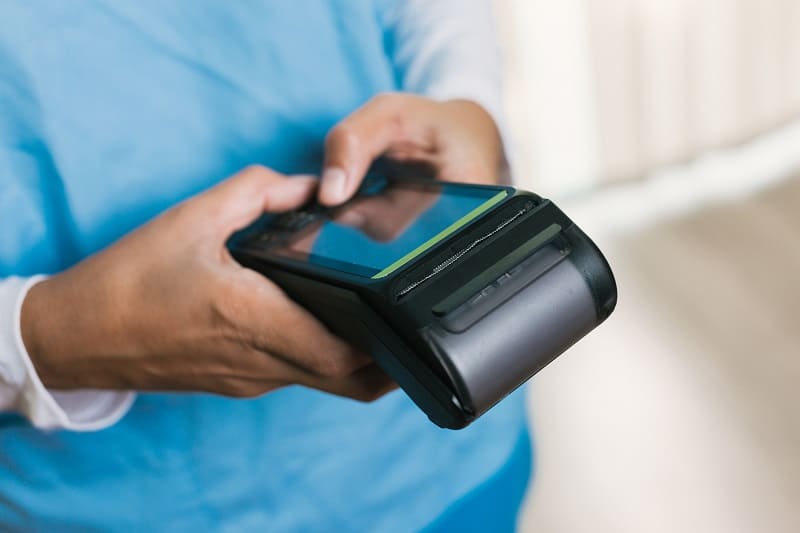
Today’s healthcare consumers are increasingly mobile-first. Offering a variety of digital channels, including Apple Pay, Google Pay, and dedicated patient portals, ensures that there are zero barriers to payment.
A centralized online portal allows patients to:
- View their balance and itemized statements 24/7.
- Set up recurring payments.
- Store payment methods securely for future visits.
When you make it easy for patients to pay on their own terms, your collection rates naturally rise.
4. Reducing Bad Debt Through Flexible Payment Plans
One of the primary reasons for uncollected patient debt is the inability to pay a large balance in a single lump sum. Digital payment platforms allow providers to offer automated payment plans.
Instead of a $1,200 bill going to a collections agency, a digital system can split that into twelve $100 monthly installments automatically charged to a card on file. This proactive approach preserves the patient-provider relationship and ensures a steady stream of revenue that might otherwise have been written off as bad debt.
5. Enhancing Financial Transparency & Patient Trust
Medical billing is notoriously confusing. Digital platforms provide an opportunity to offer Good Faith Estimates and clear breakdowns of what insurance covers versus what the patient owes.
When patients understand their financial responsibility upfront and see it reflected clearly in a digital dashboard, they are more likely to pay. Transparency builds trust, and trust is a key driver in patient retention and timely financial cooperation.
6. Security and Compliance: Protecting Patient Data

In the USA, HIPAA compliance and PCI-DSS standards are non-negotiable. Modern digital payment gateways provide a level of security that paper checks cannot match. Encrypted transactions and tokenized card data ensure that sensitive patient information remains protected, reducing the risk of fraud and data breaches for the medical practice.
7. Streamlining Back-Office Operations
Digital payments do not just help the patient; they revolutionize the billing department. Integrated digital systems automatically sync with Practice Management Software (PMS) or Electronic Health Records (EHR), reducing the need for manual data entry. This automation minimizes human error, prevents duplicate billing, and allows staff to focus on higher-value tasks like resolving complex insurance denials.
Final Words:
The transition to digital payment options is no longer an “if” but a “when.” For healthcare providers, adopting these technologies is the most effective way to improve patient collections, reduce aging accounts receivable, and provide a modern experience that patients demand.
Ready to modernize your revenue cycle? Partner with Credence Global Solutions to streamline your operations and secure your practice’s financial future.