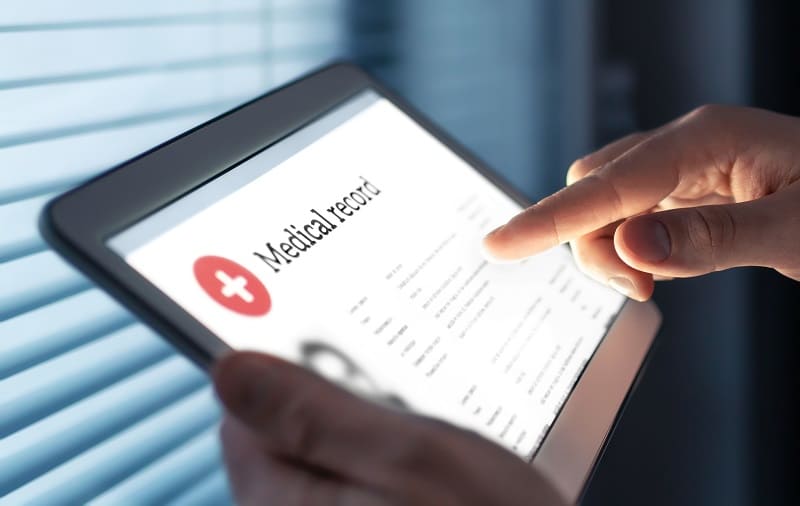

Accurate clinical documentation in healthcare is imperative for properly maintaining a patient’s medical record. A patient’s medical record impacts their health history, and any errors can have a profound trickle-down effect that affects a patient’s diagnosis, care, and even their prognosis, especially when time is of the essence when treating a disease or injury. From a business perspective, accurate clinical documentation impacts coding, billing, compliance, and quality reporting, ultimately affecting payment.
From the speed of reimbursements from insurance to securing final payments, accurate clinical documentation is non-negotiable, especially in a world where data-driven record-keeping handles the brunt of the paperwork so providers can focus on patient care. When care is accurately documented, there are fewer delays and errors in the billing process, which means providers get paid faster and patients experience all-around better care.
What Is Clinical Documentation Accuracy?
Clinical documentation refers to recording a patient’s data, from basic personal information such as their name, date of birth, and address, to more detailed information about their conditions, including symptoms, diagnoses, and treatments.
By maintaining accurate clinical documentation, providers capture the data completely, without missing information, and clearly, so there is no question or ambiguity. Treatments, diagnoses, and conditions need to be recorded with a high level of specificity with regard to the severity and type of ailment, along with correct medical terminology.
Clinical documentation isn’t just the job of the healthcare provider, medical billers and coders, and CDI specialists need to work together to ensure completeness, clarity, and accuracy. For example, if a provider records a treatment accurately, but that gets mis-coded, it still could result in rejection, delays, or other issues processing a claim, resulting in delayed or denied reimbursements by insurance companies.
How Documentation Affects Reimbursement
Accurate clinical documentation affects reimbursement because clinical notes dictate what medical codes are recorded, which are then used to process claims. Medical coders use standardized codes to refer to the treatment, diagnoses, procedures and treatments, which assign the correct billable amount. The claim is then processed and sent along to payers for reimbursement, whether it’s an insurance company, secondary insurance company, Medicaid or Medicare, or the patient.
Delays in reimbursement result when there are problems with the claim. This can occur at any point, from the initial recording by the provider or the medical coders, but with the help of CDI specialists, many of these issues are caught before the claim is sent off for processing.

Issues like vague descriptions, illegible or indiscernible notes, or incorrect or inconsistent coding of procedures are cause for significant delays. Additionally, issues such as missing or inaccurate information, including a patient’s date of birth, missing signatures, or discrepancies between diagnoses and treatment plans can all cause delays.
If a claim contains errors, it may be denied outright or cannot be processed in a timely manner. This results in delayed reimbursement, and the practice may be more susceptible to audit scrutiny. Furthermore, accurate clinical documentation can affect compliance with Medicare and Medicaid and impact proper reimbursement. Undoubtedly, clinical documentation affects reimbursement.
Benefits of Accurate Documentation
Accurate clinical documentation is often a reflection of the practice and the type of care they provide, as taking care to document means there is an attention to detail at every level. Patients, providers, and even insurance payers all experience significant benefits of accurate documentation. Patients won’t have surprise bills months after their services have been provided, and care planning is simpler, more effective, and with better communication.
The first and most tangible benefit of accurate clinical documentation is faster reimbursements. In fact, case studies show that more accurate clinical documentation results in better reimbursement rates.
This happens because there are fewer claim delays or denials, which means there is less recursive work trying to determine and address errors. The revenue cycle is efficient, clean, and the billing process simply works more smoothly. Finally, fewer errors mean fewer audits or less susceptibility to them, as everything is clearly documented and accurate.
Best Practices for Improving Documentation Accuracy
Improving clinical documentation accuracy isn’t rocket science, but there are some best practices to follow that can make a marked impact on accuracy, claims processing, and reimbursements.
Professional development is critical for providers and coders as the industry is constantly evolving. New codes are added, compliance regulations change, and the rules for reimbursement may also change over time. Engaging in regular training can help eliminate errors resulting from not knowing about changes or having outdated information.
CDI programs and specialists are a game-changer as they can significantly impact the accuracy of claims by catching errors before a claim is sent off to be processed. They can check and correct records in real-time, eliminating unnecessary delays.
Furthermore, electronic health record tools, templates, and programs can help take the practice into the future by allowing for easier updates, eliminating issues with legibility concerns,
Finally, conducting regular checks of processes by evaluating how everything functions, auditing claims, and reviewing to make sure compliance and regulatory changes are correctly implemented can go a long way toward improving documentation accuracy.
Bridge The Gap of Clinical Documentation
If your practice or healthcare facility needs help with efficient and accurate clinical documentation, there are options for improving processes and even automating some procedures. By engaging in services designed to improve operations, it can not only make claims processing easier, but it can also lighten the load of administrative staff and ensure fewer errors.
With a suite of healthcare services, Credence Global Solutions is focused on the needs of our clinical clients, from independent labs to larger healthcare facilities and medical groups. Our team of experienced, knowledgeable professionals has the skills and know-how to help simplify clinical documentation, get your claims processed quickly, and make reimbursement a breeze. Our clients enjoy improved revenue cycles and faster payments because of the services that we provide to help make things more efficient.
Want to find out more? Contact Credence Global Solutions today to learn how we can help set up your practice for success, both financially and clinically.